


About Bee Chama Honey
The most important thing we do is keep the honey exactly as the bees made it; full of pollen and enzymes and wax cappings... The good stuff!
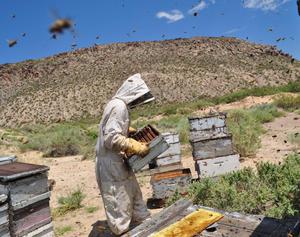
Our beekeepers have been doing this for more than 20 years, (some of them for generations!) and they love providing you with the best honey you can find in the southwest.
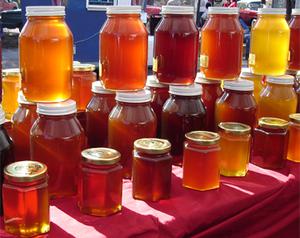
We keep bees in several locations throughout the Rio Grande Valley, as well as in Chama, NM (of course!) Southern Colorado, and some parts of Arizona. We work with our experienced beekeeping family to find honeys from throughout the southwest and the pacific northwest, providing you with the largest possible selection. All of the honey is Raw, so none of it has been pasteurized, processed, or filtered in any way. Pure and unadulterated; extra virgin honey.
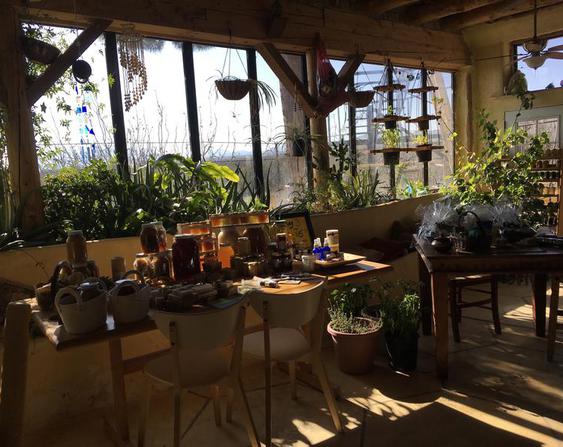
The Honey Farm is family-owned and operated in Polvadera, NM, and we offer free samples of honey to every customer who walks through the door. You can even try all 22 varieties if you like! You'll see how we grow our food, raise animals, rescue dogs and mustangs, and build things out of mud and salvaged materials. The Good Life!
In 2014, Bee Chama Honey expanded into several retail locations throughout NM, and partnered with a nonprofit to help find sustainable solutions to poverty through farming, gardening, and community compassion projects.
Want to see? Come on over, we're open every day!
Interested in learning more?